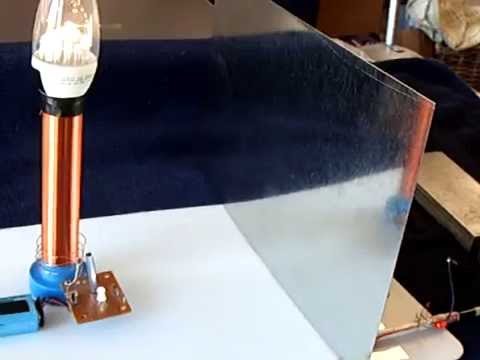
The search for cleaner and more sustainable energy sources has encouraged scientists and engineers to explore possibilities beyond traditional solar, wind, hydro, and fossil-fuel-based systems. One fascinating concept is an atmospheric electricity generator, a technology designed to capture naturally occurring electrical energy present in the atmosphere. Although the idea may sound futuristic, the Earth’s atmosphere contains electric fields, charged particles, ions, and electrical activity that could potentially be harvested under the right conditions.
The concept raises an exciting question: could the air around us become a meaningful source of future energy? While atmospheric electricity is a real physical phenomenon, turning it into a practical and reliable power source remains a significant technological challenge. Understanding how atmospheric electricity works and how it might be collected helps explain both the promise and limitations of this emerging field.
Understanding Atmospheric Electricity
The Earth’s atmosphere is not electrically neutral in every practical sense. It contains ions and charged particles created by natural processes such as cosmic radiation, sunlight, thunderstorms, radioactive materials in the ground, and interactions between the atmosphere and Earth’s surface. These processes contribute to an atmospheric electric field that exists even during relatively calm weather.
Thunderstorms demonstrate the enormous electrical potential of the atmosphere. Lightning occurs when electrical charges become separated within clouds and the resulting electric potential becomes strong enough to produce a massive discharge. However, harvesting lightning directly is not currently a practical approach because lightning contains enormous energy delivered in an extremely short period and is unpredictable and dangerous.
An atmospheric electricity generator focuses instead on smaller, continuously available electrical phenomena. The goal is to collect tiny amounts of energy from atmospheric ions, electric fields, humidity variations, or other environmental effects and convert them into usable electricity.
How an Atmospheric Electricity Generator Could Work
Different approaches can be considered when designing an atmospheric electricity generator. One method involves using elevated conductive structures that interact with the Earth’s atmospheric electric field. A voltage difference can develop between the conductor and the ground, allowing a small current to flow through an appropriate circuit.
Another approach involves collecting charged particles or ions naturally present in the air. Electrodes can be designed to attract these particles and create an electrical current. The amount of electricity available, however, is generally very small under ordinary atmospheric conditions.
Humidity and changes in moisture may also provide opportunities for energy harvesting. Certain materials can generate electrical potential when exposed to differences in humidity. Researchers have explored moisture-driven generators that use specialized materials to produce electricity from interactions with water molecules in the surrounding environment.
These methods are fundamentally different from conventional power plants. Instead of extracting large quantities of energy from fuel or sunlight, they attempt to capture small amounts of ambient energy that are already present in the environment.
Why the Idea Is Attractive
The biggest appeal of atmospheric electricity is availability. Air surrounds virtually every building, machine, road, and communication system. If technology could efficiently harvest small quantities of electrical energy from the atmosphere, it could potentially support devices without relying entirely on batteries or conventional electrical connections.
This could be particularly useful for low-power electronics. Sensors used in agriculture, environmental monitoring, industrial facilities, and smart buildings often require only small amounts of energy. If an atmospheric electricity generator could continuously provide even a modest electrical output, it might extend battery life or eliminate battery replacement for certain applications.
Remote monitoring is another promising area. Sensors located in difficult-to-access locations can be expensive to maintain because batteries must periodically be replaced. Ambient energy harvesting could potentially reduce maintenance requirements by allowing devices to obtain part of their operating power from their surroundings.
Potential Applications in the Future
The future applications of atmospheric energy harvesting could extend across several industries. Internet of Things devices are an obvious example. Many IoT sensors operate with extremely low power requirements and spend much of their time collecting data or remaining in standby mode.
Environmental monitoring could also benefit. Devices measuring air quality, temperature, humidity, atmospheric pressure, and other conditions could potentially combine atmospheric energy harvesting with energy storage systems.
Smart buildings could use small-scale generators to power distributed sensors. Rather than running electrical cables to every sensor, building designers could explore local energy harvesting technologies where practical.
Agricultural systems may also benefit from self-powered sensors. Soil, weather, irrigation, and crop-monitoring equipment can be distributed over large areas. A reliable ambient energy source could reduce the need for frequent battery replacement.
However, these applications depend heavily on whether future technology can achieve sufficient energy output, efficiency, reliability, and affordability.
The Major Challenges
The biggest challenge facing an atmospheric electricity generator is energy density. Although the atmosphere contains electrical energy, the amount that can normally be collected from a small area is limited. Producing meaningful quantities of electricity requires efficient collection systems and carefully designed materials.
Weather conditions introduce another challenge. Atmospheric electrical conditions change according to humidity, temperature, location, cloud cover, and weather patterns. A system that produces useful energy under certain conditions may generate much less electricity at other times.
Safety is also important. Atmospheric electrical systems operating at elevated voltages must be carefully engineered. Designs involving tall conductive structures or areas exposed to thunderstorms require appropriate protection against electrical discharge.
Efficiency presents another obstacle. Even when an atmospheric electrical potential exists, converting it into usable electricity without losing most of the available energy can be difficult. Advanced materials, sensitive electronics, and efficient power-management circuits may be required.
Cost is equally important. A technology cannot become a major energy solution simply because it works in a laboratory. It must provide enough energy at a cost that makes sense compared with established alternatives.
Atmospheric Electricity Compared With Solar and Wind
Solar and wind energy currently have major advantages because they can generate substantially larger amounts of electricity. Solar panels can convert sunlight into electricity during daylight hours, while wind turbines can generate significant power when wind conditions are suitable.
Atmospheric electricity harvesting is more likely to complement these technologies than replace them. Its greatest potential may be in extremely low-power applications where producing a few milliwatts or even less is useful.
For example, a sensor that needs only intermittent power could collect small amounts of atmospheric energy and store them in a capacitor or rechargeable battery. Over time, the stored energy could be used to transmit measurements or activate a low-power electronic circuit.
The Role of New Materials and Nanotechnology
Advances in materials science could significantly influence the development of atmospheric energy harvesting. Researchers are investigating nanomaterials, porous structures, conductive polymers, and other specialized materials that can interact efficiently with moisture, ions, and electric fields.
The enormous surface area of some nanostructured materials may improve interactions with molecules in the surrounding environment. Future materials could potentially make energy harvesting more efficient while allowing devices to become smaller and more practical.
Flexible and lightweight materials may also make it possible to integrate energy harvesters into clothing, building surfaces, sensors, or portable electronics.
Is Atmospheric Electricity a Realistic Future Energy Source?
The answer depends on what is meant by a “future energy source.” If the expectation is that atmospheric electricity will replace power plants and provide large-scale electricity for cities, the concept currently faces substantial limitations.
If the goal is to power tiny electronic devices, supplement batteries, or provide energy for remote sensors, the possibilities are considerably more realistic. Small quantities of ambient energy can become valuable when the energy requirements of a device are also extremely small.
An atmospheric electricity generator therefore may be best understood as an energy-harvesting technology rather than a replacement for conventional electricity generation. Its future will depend on improvements in materials, electronics, storage systems, and engineering design.
Conclusion
The atmosphere contains a fascinating combination of electrical fields, ions, moisture, and natural electrical activity. An atmospheric electricity generator seeks to capture some of these phenomena and convert them into useful electrical power. While today’s technology cannot simply turn ordinary air into a major replacement for solar, wind, or other large-scale energy systems, atmospheric energy harvesting has interesting potential for low-power electronics and remote sensors.
As researchers continue developing advanced materials and more efficient energy-conversion systems, the boundary between the environment and the devices that depend on electricity may become increasingly blurred. Air alone is unlikely to become a massive power source in the near future, but the electrical energy naturally present around us could become another useful piece of the broader clean-energy and self-powered technology landscape.